THE OBSERVATORY / YOUR PLACE, YOUR EVENING
Look up. Begin here.
Choose a city and time. The map below is your starting point, with compass directions, bright patterns and the Moon.
First time? Read the chart →Orion-inspired identity artwork · use the calculated map below for positions.
Above the horizon
Amber: Moon and planets. Lines are selected star patterns. Faint or low objects may be difficult to spot.
What to look for
Ready to share on Facebook. The file stays on your device until you post it.
Compare the field of your binoculars with an object separation ↗
One target. A plan. A note.
- 01
Choose what you can see.
Start above your real roofline. A mathematical horizon does not know your trees, lamps or cloud.
Read the observing guide → - 02
Give the session a limit.
Build a 15, 30 or 60 minute plan for your equipment, sky conditions and available horizon.
Make your field plan → - 03
Keep one useful comparison.
Record the time and viewing direction. Compare the field width before trying two targets through binoculars.
Compare a binocular field →
SECOND LOOK / THE MOON
Learn the surface.
Then watch the light.
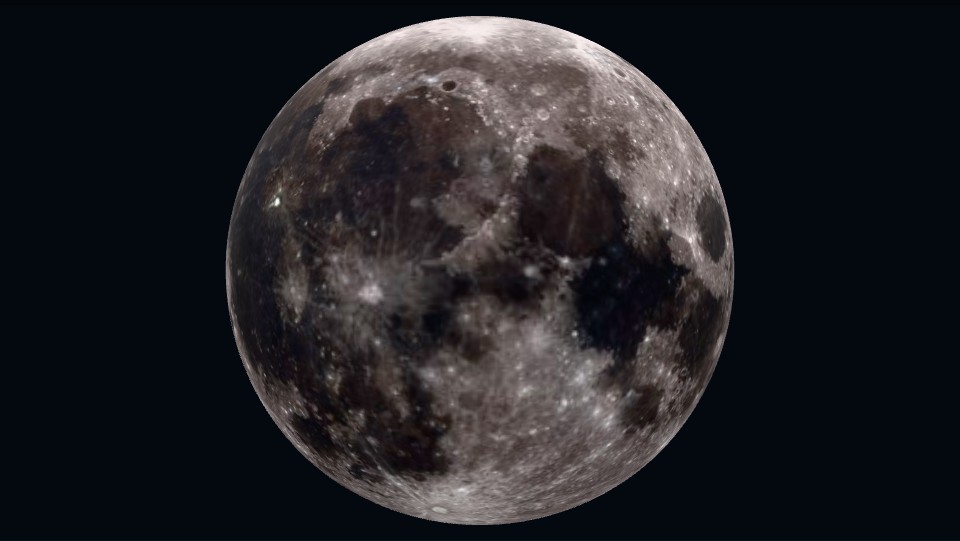
Rotate a real NASA lunar model to compare the markings. Use the date finder to see what fraction is illuminated; check sunset and moonset before hunting a crescent.
THE FIELD JOURNAL